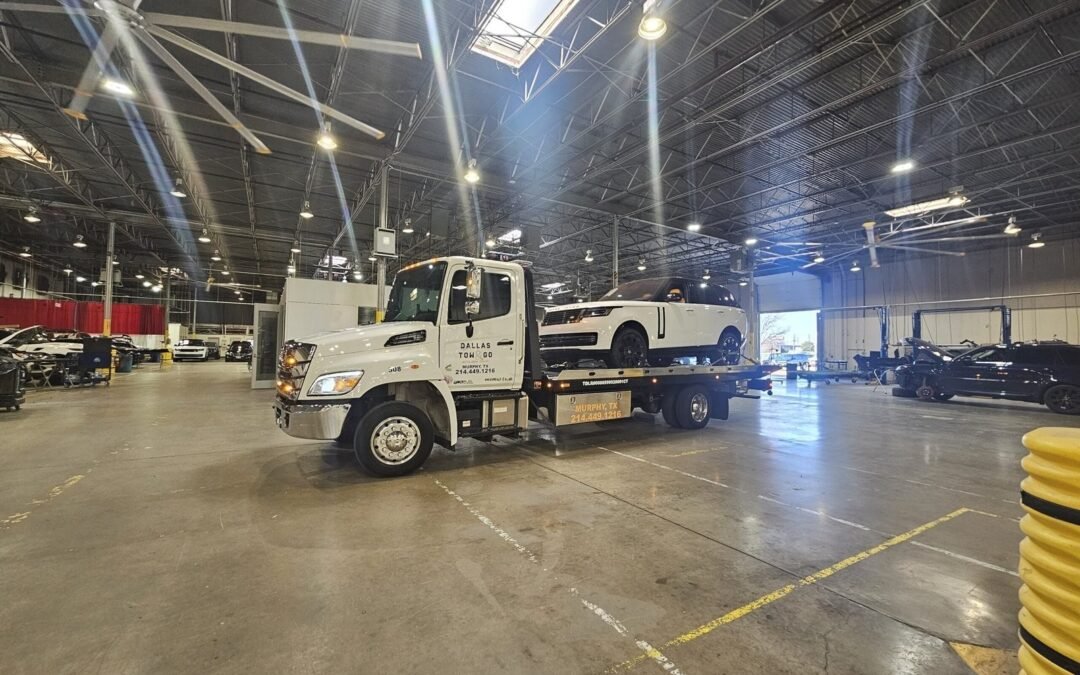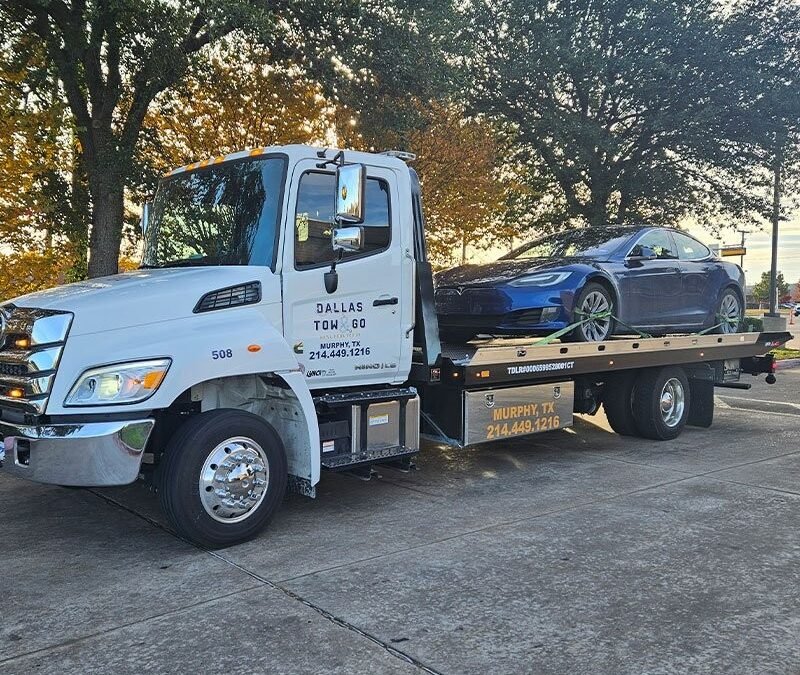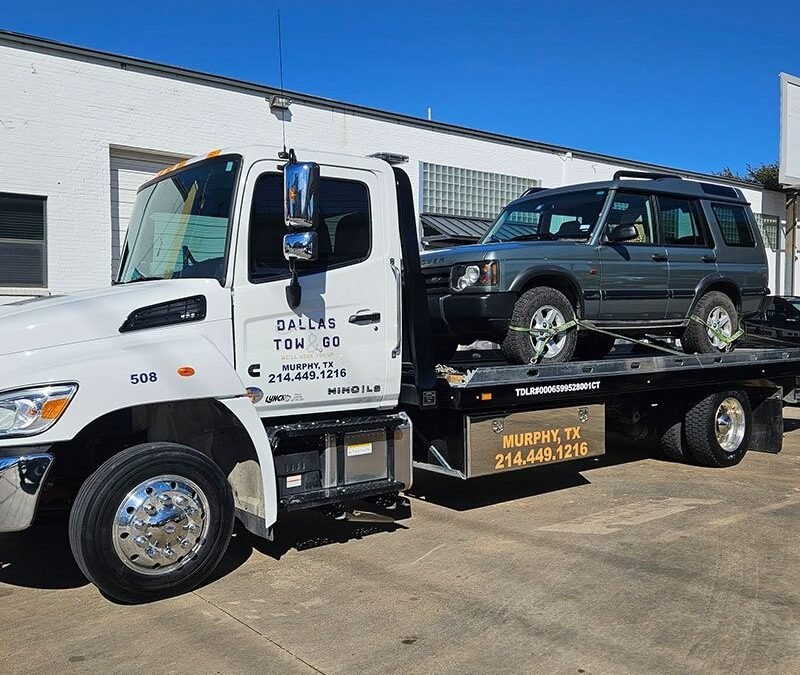

A busted wheel or a locked-up steering system can turn a short drive into a real headache. Your car won’t roll straight, the tires drag oddly, and moving it even a few feet feels risky. Trying to push through the damage often makes things worse. This is why flatbed towing in Dallas stands out as the safest choice for vehicles with steering or wheel trouble. At Dallas Tow & Go, our team builds every flatbed job around protecting your car from further harm while getting it to the right shop fast.
Steering and wheel damage change how a vehicle needs to travel. Standard towing methods drag or lift part of the car, and that puts stress on parts already struggling to hold up. Our flatbed trucks avoid this problem completely by keeping every wheel off the ground during the entire trip, a practice our drivers follow on every damaged-vehicle call.
Why Steering Problems Rule Out Standard Towing
A car with steering damage can’t track straight behind a tow truck. The wheels pull left or right on their own, fighting against the direction of travel. Standard towing methods rely on the front wheels rolling freely, and a broken steering system throws that plan off completely.
Forcing a damaged steering setup to roll during a tow can snap parts that might still be fixable. Loose tie rods, bent axles, or a locked steering column all react badly to added pressure. We sidestep this risk on every job by lifting the entire vehicle instead of relying on rolling wheels, a standard we hold ourselves to regardless of vehicle make or model.
How Wheel Damage Changes the Towing Approach
Wheel damage brings its own set of headaches. A cracked rim, flat tire, or bent axle makes rolling uneven and unsafe. Dragging a car with a damaged wheel across pavement chews up the tire, scrapes the rim, and can even cause sparks on longer routes.
A flat platform removes the wheels from the equation entirely. Your car rides above the road, fully supported, with zero contact between damaged parts and the pavement. Our crew inspects each vehicle first, so the existing damage never gets a chance to spread to nearby components like brake lines or suspension arms.
The Mechanics Behind Flatbed Protection
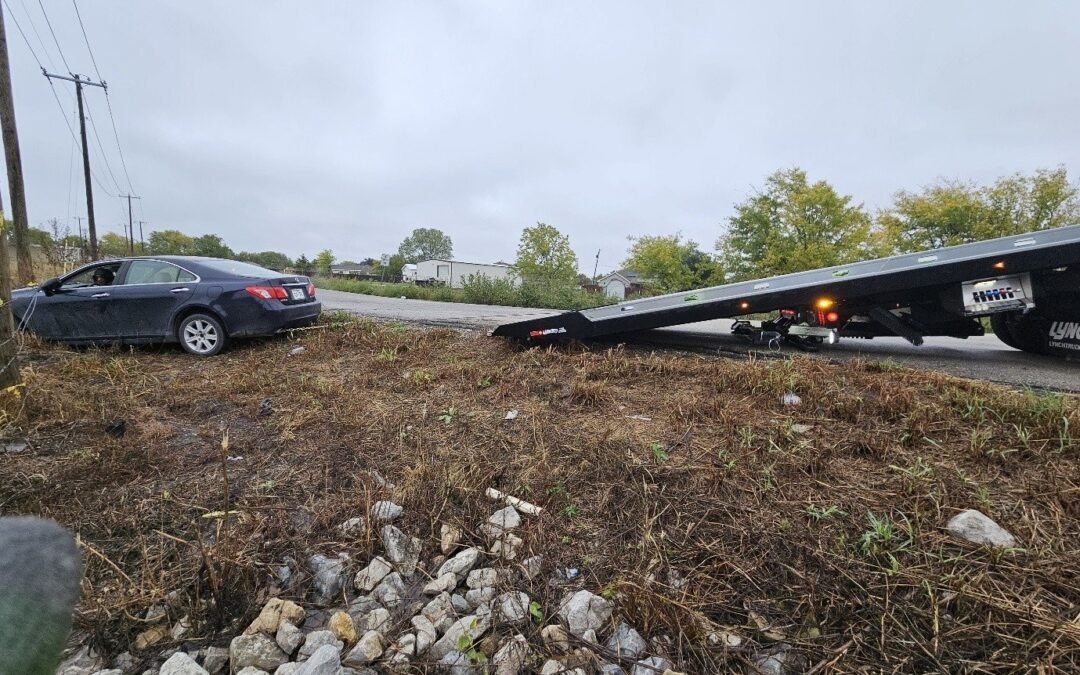
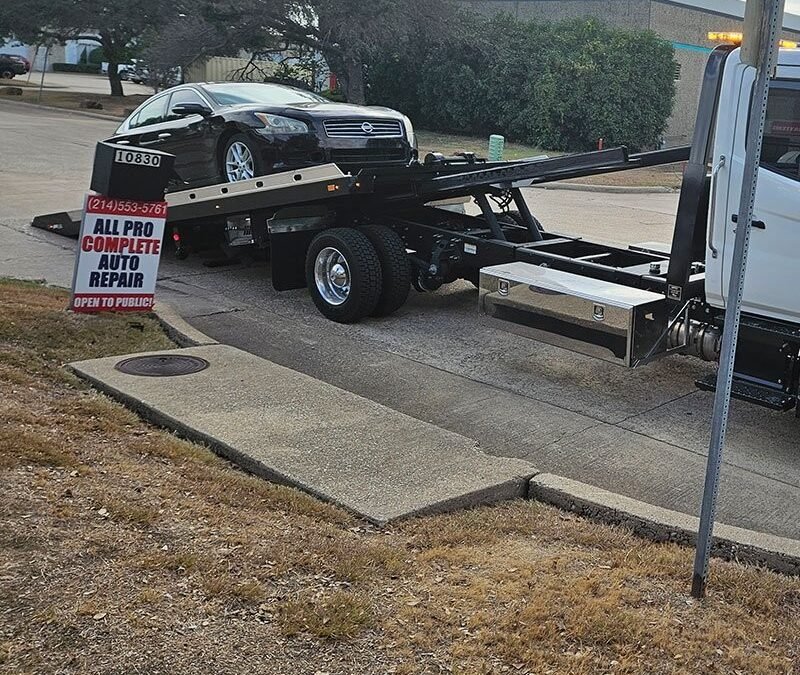
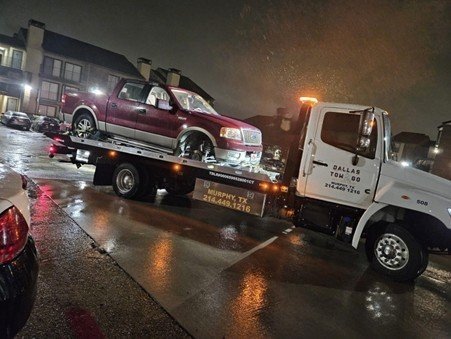
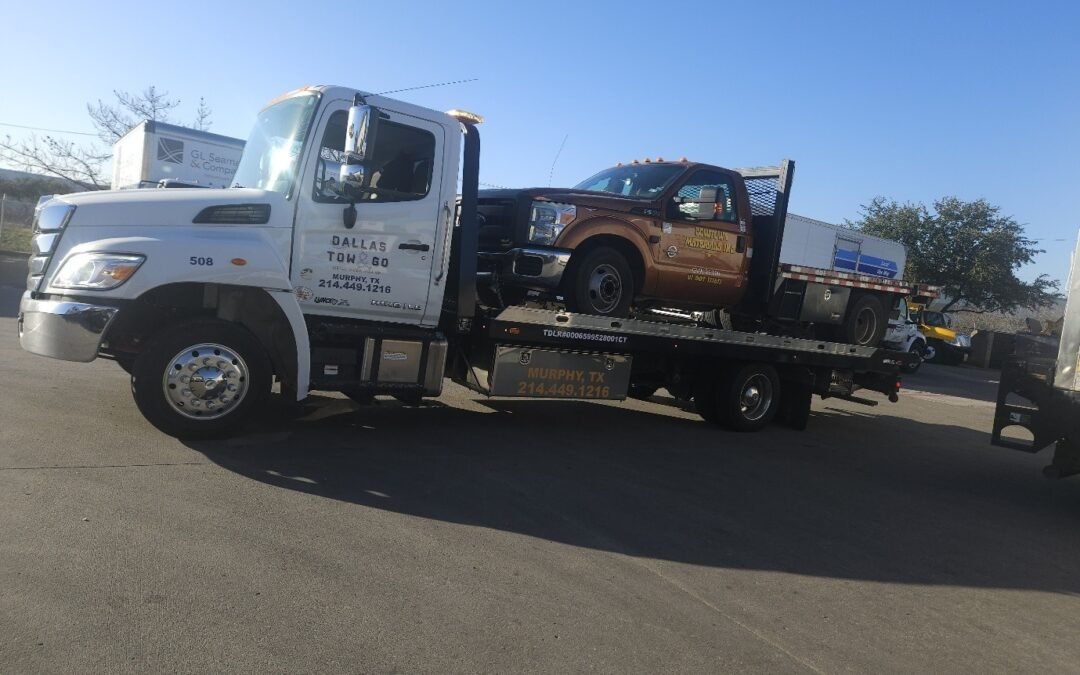
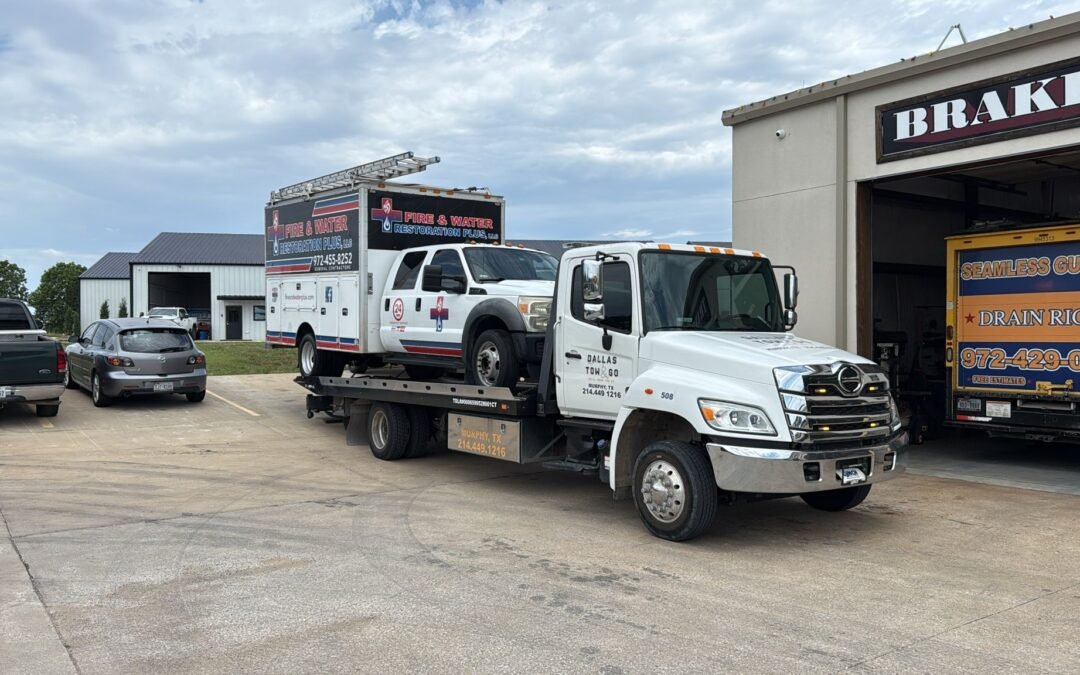
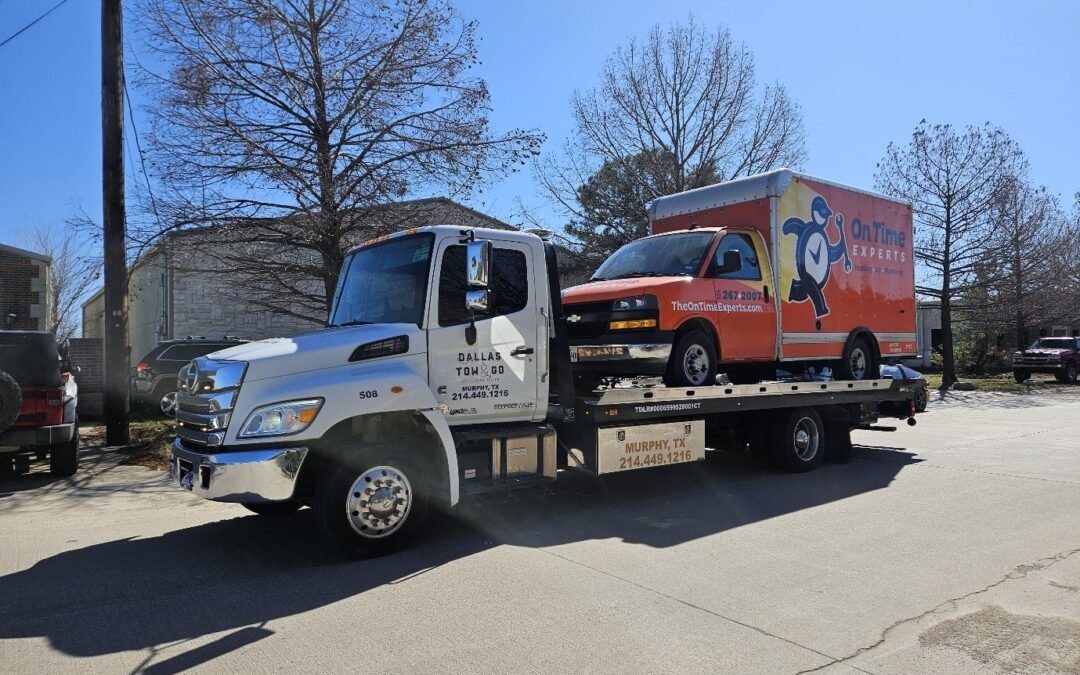
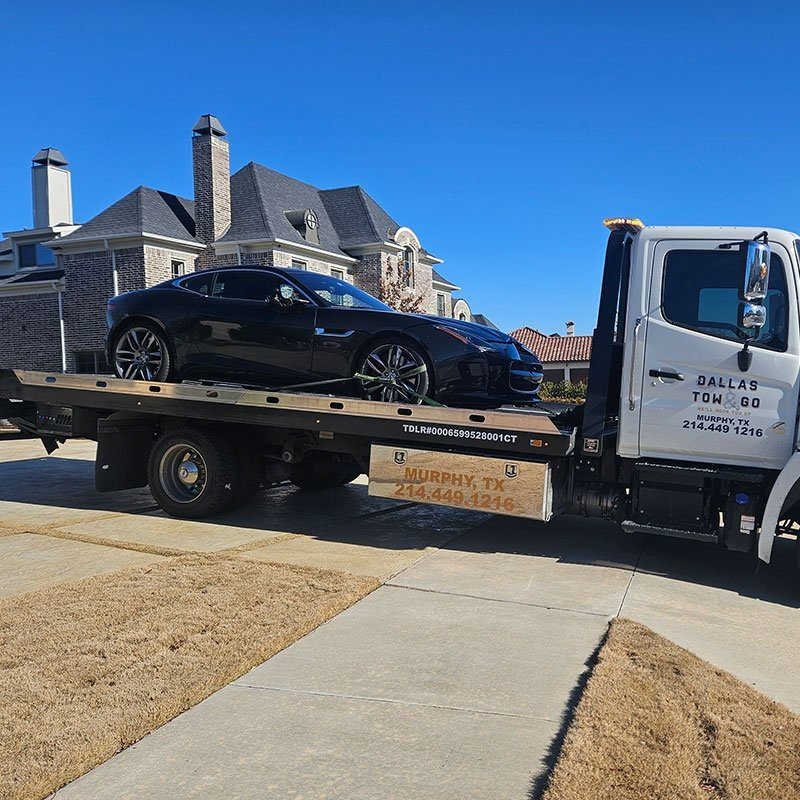
Flatbed trucks use a hydraulic bed that tilts down to ground level, letting the vehicle roll or winch on without strain. Once loaded, the bed rises flat, and the car sits securely with all four wheels resting on solid steel.
This setup offers a few clear advantages, and our fleet is built around every one of them:
- No wheels touch the road during transport
- Steering alignment issues stay isolated instead of getting worse
- Straps and wheel chocks hold the car steady without pressure on damaged parts
- Uneven weight distribution from a bad wheel doesn’t affect balance
- Loading uses a winch, so the car never needs to move under its own power
Each of these points matters more when a vehicle already has weak spots. We treat the whole car as one steady unit rather than something that has to roll or steer on its own.
When a Flatbed Makes the Most Sense
Not every tow calls for a flatbed, but certain situations make it the clear choice. Our team, a trusted name in flatbed towing in Dallas, knows how to spot these cases right away.
Vehicles with any of these issues benefit most from flat transport:
- Bent or broken steering components
- Cracked, bent, or missing wheels
- Locked steering wheel or column
- Suspension damage affecting wheel alignment
- Low ground clearance vehicles prone to scraping
Our drivers know how to spot these issues fast and pick the right truck for the job. A glance at how a car sits or rolls often tells our experienced operators everything needed to make the right call, a skill built from years of local road calls across the Dallas area.
Why Dallas Tow & Go Brings the Right Expertise
Handling a damaged vehicle takes more than just the right truck. It takes a driver who knows how to load carefully, secure the car properly, and avoid rushing through steps that protect your vehicle. As a dependable flatbed towing service in Dallas, our company has built its reputation on this kind of careful, hands-on approach to every call.
Our drivers know the local roads, the traffic patterns, and the best routes to nearby repair shops. This local knowledge, paired with our own dispatch team, cuts down on transport time, which matters even more when a car has fragile steering or wheel damage that shouldn’t sit exposed for long. As a family-owned business serving the Dallas-Fort Worth Metroplex, we treat every vehicle the way we would want our own family’s car handled.
Let Dallas Tow & Go Handle the Careful Work
Steering and wheel damage need a gentle, careful approach, not a rushed one. Dallas Tow & Go brings trained drivers, modern flatbed equipment, and steady hands to every call involving fragile vehicles. When you need a reliable flatbed towing service in Dallas, call us anytime your car needs safe, careful transport, and let our family-owned team take the stress off your plate from pickup to drop-off.
Frequently Asked Questions
Can a car with a broken steering wheel get towed safely?
Yes, a flatbed keeps all wheels off the ground, removing pressure from the steering system. Dallas Tow & Go uses this method to keep the vehicle stable throughout the entire trip.
Does flatbed towing cost more than standard towing?
Pricing depends on distance, vehicle type, and load difficulty rather than towing style alone. Our team keeps flatbed pricing fair, especially since it prevents further damage during transport.
How long does loading a damaged vehicle onto a flatbed take?
Loading usually takes ten to fifteen minutes, depending on damage severity. Our drivers move slowly through each step to secure the vehicle properly without rushing the process.
Will a flatbed truck damage my tires further?
No, our flatbeds keep tires completely off the road surface. This eliminates dragging, scraping, or uneven wear that standard towing methods can cause on already damaged wheels.
What should I do while waiting for a flatbed truck?
Stay clear of traffic, avoid trying to move the vehicle, and keep hazard lights on. Let the damage stay untouched until our trained driver arrives to assess and load the car.